
First Rank delivers restaurant SEO in Melbourne with suburb-level intent mapping, converting local search visibility into real bookings and calls. We pair technical SEO with structured service pages and conversion tracking so every ranking gain is tied to measurable enquiries your front-of-house team can act on.
Located at 17 Lambretta Street
Hillcrest QLD 4118 Australia
We're here to help you grow
Located at 17 Lambretta Street
Hillcrest QLD 4118 Australia
We're here to help you grow
Melbourne restaurants operate in one of Australia’s most competitive dining markets, from the laneway cafes of Fitzroy to the family dining strips of Dandenong. Businesses here can’t afford SEO that treats every suburb the same.
First Rank works with local businesses that need qualified foot traffic and online bookings, not just raw visitor numbers. Our clients get transparent reporting, structured service pages, and a team that communicates clearly without hiding behind jargon.
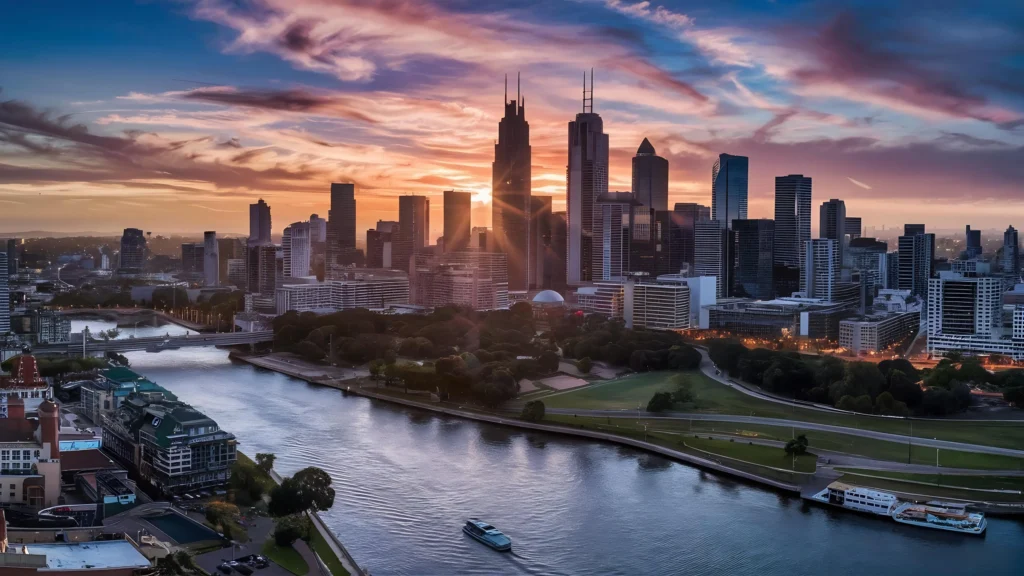
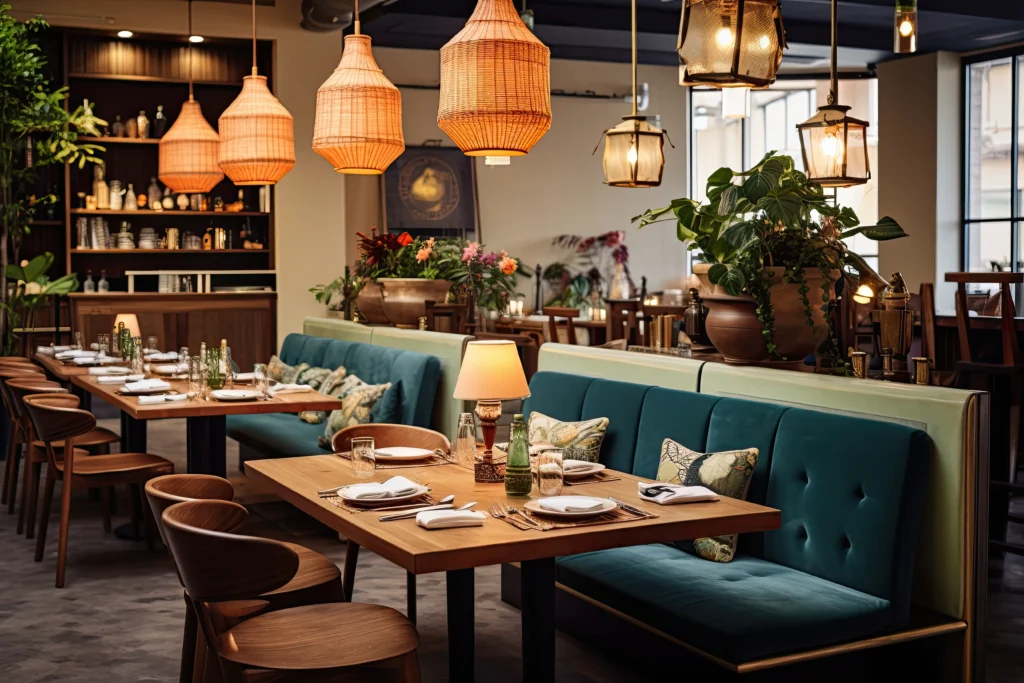
Generic SEO treats every restaurant the same, ignoring the suburb-specific occasion and proximity intent that drives Melbourne dining decisions. A diner searching “best pasta Footscray” is not the same searcher as someone looking for “group bookings Frankston,” but a generic campaign maps both to a single homepage. One concrete failure mode common in this category: restaurants get broad traffic from non-converting national search terms while suburb-level booking intent goes completely uncaptured.
We start by understanding exactly where your restaurant sits in Melbourne's search before we touch a single page. This means a full audit of your current Google Business Profile accuracy, your existing page structure against suburb-level booking and dining intent, your technical site health including page speed and mobile usability, and your competitors' content architecture across the suburbs you actually want to win. We identify which searches are driving bookings for comparable restaurants in Footscray, Frankston, Dandenong, and similar Melbourne areas, and we map every gap between where you rank now and where your target diners are searching. You get a clear baseline, not a list of vague recommendations.
This is where the structural work happens. We build or restructure service and location pages around the specific booking and dining intent identified in the sprint. For restaurants, that means dedicated pages for occasion-based searches (private dining, group bookings, weekend brunch), suburb-level location pages, and menu content structured to match what diners type when they're ready to make a decision. We clean up technical issues that suppress rankings, tighten internal linking so Google understands your site's hierarchy, and optimise your Google Business Profile with accurate categories, services, and photo content. Every action is tied to the conversion metric that matters for your front-of-house team: bookings and calls, not abstract traffic graphs.
Ranking without attribution is noise. Our reporting cycle ties every ranking movement directly to the enquiry and booking data your restaurant can act on. Each reporting period, you see which suburb-level and occasion-specific pages are moving, which keywords are generating calls or form submissions, and where the next optimisation effort should focus. We use call tracking and booking funnel data to separate SEO-driven enquiries from other channels so you know exactly what the investment is producing. The growth loop means we don't set and forget: we identify new search opportunities in Melbourne's dining market as they emerge, adjust content structure based on conversion data, and keep the campaign aligned with what your restaurant actually needs to fill seats.
Melbourne's restaurant and hospitality market has its own search dynamics that no generic campaign accounts for. Diners in this city search by suburb, occasion, cuisine type, and dining format, often combining all four in a single query. Our fourth step is the ongoing industry-specific layer: reviewing menu-page structure against proximity and occasion-based search intent, monitoring Google Business Profile performance across the specific Melbourne suburbs your restaurant serves, and building content that captures the searchers who are ready to book, not just browse. This step connects the technical and structural work of the previous three steps to the real-world outcome your restaurant needs: seats filled from organic search.
First Rank is an Australian IT and digital agency based in Hillcrest, QLD. Every restaurant SEO campaign we run for Melbourne clients connects to our core Melbourne SEO team →, which provides the technical infrastructure, reporting systems, and strategic oversight that individual campaign teams draw from.
Our Melbourne team provides clear reporting on what’s been done, what’s next, and how each action connects to bookings and enquiries. You’ll always understand the value of your SEO investment.
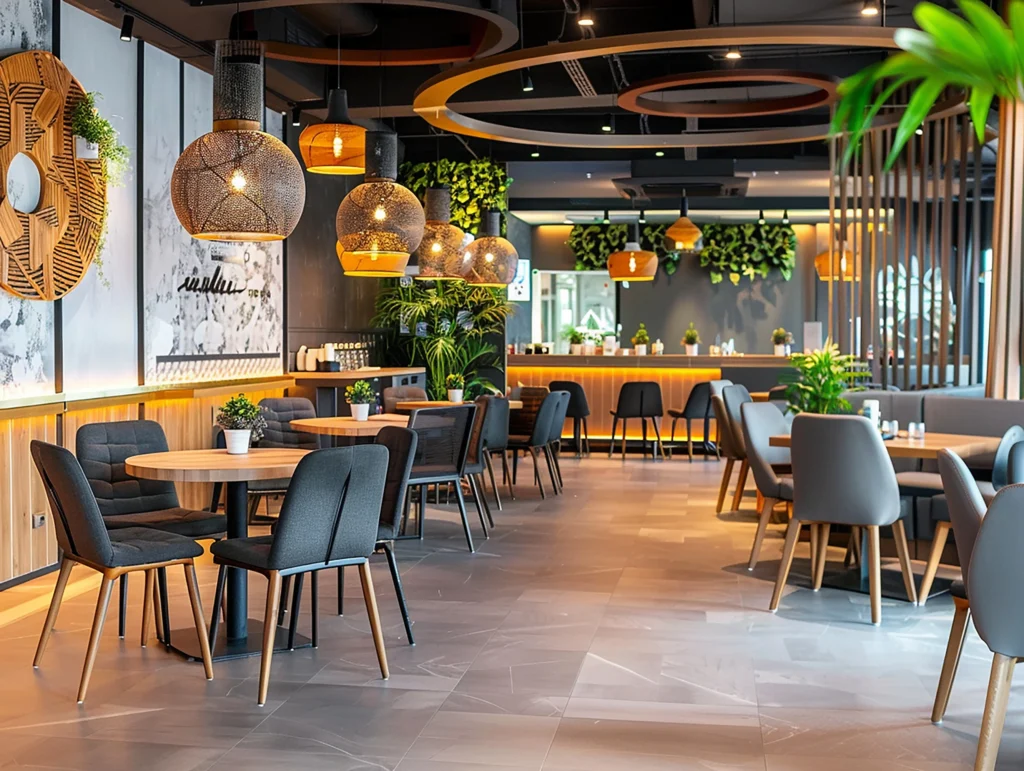
Problem: Relied entirely on walk-in customers with no online booking presence or local search visibility.
Action: First Rank built out local SEO structure and optimised the business’s Google Business Profile to capture proximity and intent-based searches in their market.
Outcome: 300% increase in online bookings in 3 months through local SEO and Google Business Profile optimisation. This pattern is consistent with what we see when Melbourne hospitality businesses move from zero online booking infrastructure to a properly structured local SEO setup. The gap between walk-in reliance and search-driven bookings is often significant, and closing it produces fast, measurable results.
Problem: No local foot traffic from search and no location-specific landing pages to capture suburb-level intent.
Action: First Rank built dedicated location pages and applied local SEO to capture suburb-level search intent for customers in their area.
Outcome: 60% increase in organic walk-in customers in 6 months through local SEO and dedicated location pages. For Melbourne restaurant operators, the parallel is direct: suburb-level pages and accurate local SEO infrastructure mean that diners searching by location find your restaurant, not a competitor with better page structure. Our clients in the same industry see this play out across different business types when the fundamentals are addressed.
Restaurant SEO in Melbourne varies based on scope, competition level, and how many suburb or occasion-specific pages your campaign needs. You won’t get a useful number without knowing your current rankings, your target suburbs, and your booking volume goals. Most Melbourne restaurant businesses we talk to are surprised by how much of the cost relates to content structure and Google Business Profile work, not just link building. Pricing depends on your site’s starting point and how competitive your dining category is in the suburbs you’re targeting. Contact us for a scoped quote based on your actual market position rather than a package price that may not fit your restaurant’s specific situation.
It involves mapping suburb-level and occasion-based search intent to dedicated landing pages, structuring your menu and booking content to match how Melbourne diners search, and optimising your Google Business Profile for proximity searches in your target suburbs. It also includes technical SEO, which means fixing the page speed, mobile usability, and schema markup issues that suppress your rankings regardless of how good your content is. Call tracking and booking attribution are part of the process too, so you can tell which ranking gains are producing actual reservations. It’s not just writing content and pointing links at your homepage.
Generic SEO treats your restaurant like any other local business and targets broad terms that don’t match how diners actually search in Melbourne. Specialised restaurant SEO maps the specific searches your potential customers use when they’re deciding where to book, terms like “group bookings Dandenong” or “date night Footscray,” and builds page structure around those queries. The difference shows up in your bookings, not your traffic. Generic approaches often produce sessions from people who were never going to become customers. Specialist restaurant SEO focuses on the searchers who are ready to make a reservation and makes sure your restaurant is visible at that exact moment.
You’ll typically see early ranking movements in the first 60 to 90 days, particularly for suburb-specific and occasion-based terms where competition is lower than broad category terms. Meaningful booking volume from organic search usually builds over three to six months as new pages gain authority and your Google Business Profile accumulates engagement signals. The timeline depends on your site’s current technical health, how many location pages you’re starting with, and how competitive your Melbourne dining category is. Restaurants starting from a thin content base take longer than those with an established site that needs structural refinement rather than a full rebuild.
Yes, if you want to capture the suburb-level intent that Melbourne diners use when they’re ready to book. Searchers in Melbourne don’t just search “restaurant near me” and pick the first result. They search by suburb, by occasion, and often by cuisine type combined with a location. Without suburb-specific pages, your restaurant is invisible for those queries regardless of how strong your homepage is. A single location page won’t capture searches across Footscray, Dandenong, and Frankston simultaneously. Local SEO for Melbourne restaurants is built on giving each target suburb its own structured page that matches the intent of diners searching in that area.
Melbourne’s dining market is competitive, and the restaurants filling seats from organic search are the ones with suburb-level page structure, accurate Google Business Profile setups, and conversion tracking that ties rankings to real bookings.
If your restaurant isn’t visible when Melbourne diners search for where to eat in your suburb, that’s a fixable problem.