
First Rank creates Web Design for Real Estate practices in Melbourne, combining site architecture, page relevance, and local search signals to generate qualified enquiries. We build assets you own outright, tracked against the calls and leads they produce each month.
Located at 17 Lambretta Street
Hillcrest QLD 4118 Australia
We're here to help you grow
Located at 17 Lambretta Street
Hillcrest QLD 4118 Australia
We're here to help you grow
First Rank works with local Melbourne businesses across competitive markets, from inner-city suburbs like Footscray to outer growth corridors in Frankston and Dandenong. We focus on clear communication, transparent reporting, and web design assets that you own completely. No lock-in contracts. No hidden retainers. Just a structured process tied to measurable enquiry outcomes. If you’re a real estate operator in Melbourne looking for web design that actually moves the needle, you’re in the right place.
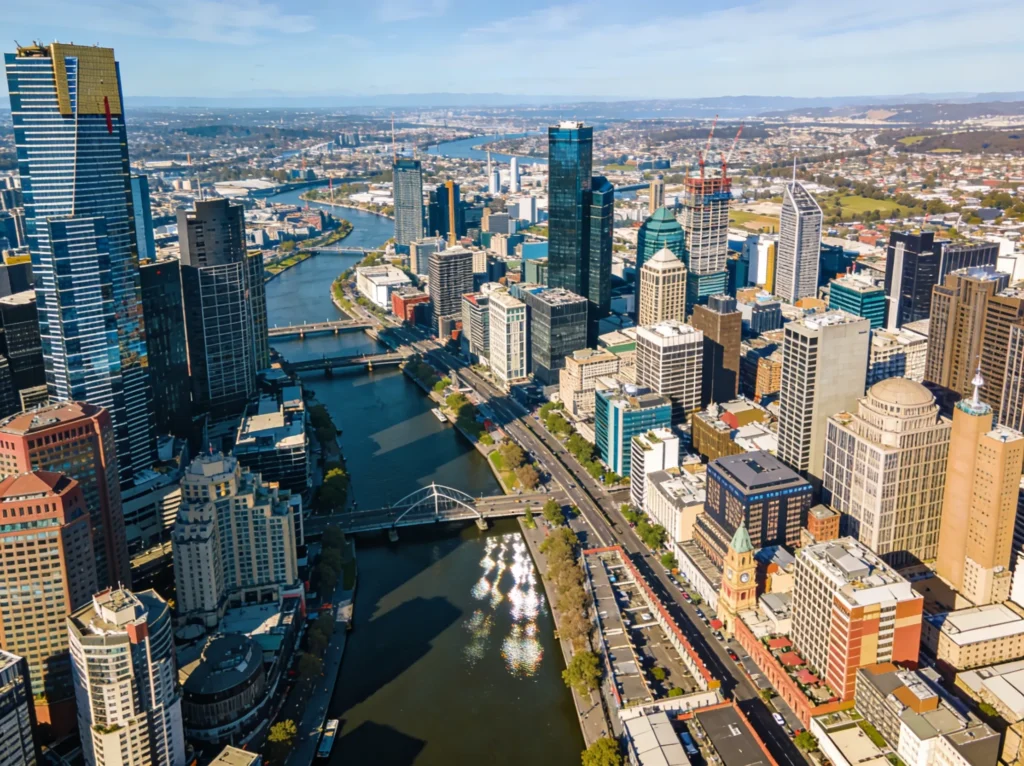

Generic web design agencies treat real estate sites like any other local business page. They build a homepage, add a contact form, and call it done. The concrete failure mode here is predictable: no suburb-level property listing pages, which means Melbourne buyers searching “houses for sale in Frankston” or “rental properties Dandenong” find your competitors instead of you.
We start every Melbourne real estate web design engagement with a structured stakeholder workshop. This isn't a generic onboarding call. We map your actual service areas, identify which Melbourne suburbs produce your highest-value enquiries, and build an information architecture that reflects real buyer and seller intent. We audit competitor site structures across your local market, reviewing how rival real estate agencies in Melbourne organise their suburb pages, property type pages, and enquiry flows. From that audit, we define your page hierarchy, URL structure, and internal linking plan before a single design element is touched. You walk away from this step with a clear blueprint: every page on your site has a defined purpose, a target suburb or service, and a measurable enquiry outcome attached to it.
With the information architecture confirmed, we build your design system from the ground up. For Melbourne real estate web design, that means fast-loading property-type page templates, suburb-specific landing pages with locally relevant copy, and lead capture forms optimised for both desktop and mobile. We use a modular build so you can add new suburb pages or property categories without redesigning the whole site. Every page is built with page-speed benchmarks in mind, because slow-loading real estate sites lose enquiries before a visitor ever reads your listings. Internal links are structured to pass authority from suburb pages up to core service pages and back down again, reinforcing your site's relevance for Melbourne real estate search terms. The deploy phase includes technical checks: canonical tags, schema markup for real estate service types, and Google Search Console verification.
Building the site is step three, not the finish line. Once your Melbourne real estate website is live, we configure analytics to track what actually matters: phone calls, form submissions, and enquiry sources by page. We connect call-tracking numbers to specific suburb pages so you can see exactly which Frankston or Dandenong landing page is generating calls each month. From that data, we run a structured conversion rate optimisation rhythm, reviewing page-level performance and making iterative improvements to headlines, form placement, and calls to action. Search winners in the Melbourne real estate market compound small technical wins with service-page intent that converts. That's not a theory. It's the pattern we see repeated when suburb-level pages are paired with clear offer clarity and fast load times. You receive a monthly report tied to enquiry outcomes, not just traffic numbers.
The fourth step is ongoing specialisation. Melbourne's real estate market is not static. Suburb-level demand shifts with infrastructure projects, rezoning announcements, and population movement across the metropolitan area. We monitor your page performance against these local signals and adjust your content structure accordingly, adding new suburb pages as your service area expands, updating property-type pages when buyer intent shifts, and ensuring your site architecture reflects how Melbourne buyers and sellers actually search. This step also covers technical maintenance: plugin updates, security monitoring, and page-speed checks. You're not left to manage a complicated CMS on your own. We handle the tech so you can handle the listings.
Every real estate web design project we deliver in Melbourne is built on the same technical foundation we use across our full suite of web design services. That means clean site architecture, owned assets, and reporting tied to real enquiry data, not vanity traffic numbers. Explore our Melbourne Web Design services →
Our Melbourne team provides clear reporting on what’s been done, what’s next, and how each action connects to bookings and enquiries. You’ll always understand the value of your web design investment.

Problem: Unoptimised Google Business Profile with reduced local maps visibility and inconsistent category and photo strategy.
Action: First Rank conducted a full Google Business Profile audit, correcting category selection, photo strategy, and local signal consistency to restore maps visibility.
Outcome: 4.5% increase in walk-in customers per month sustained over 3 months after GBP audit and optimisation. For a Melbourne real estate office relying on local foot traffic and suburb-level map visibility, the same category-accuracy and photo-consistency principles apply directly to how your agency appears in local search results.
Problem: No local search visibility across 6 store locations with no website or GBP management in place.
Action: First Rank built web design and local SEO infrastructure across all locations, including GBP management and suburb-specific content.
Outcome: Google Business Profile visibility increased from 9% to 86% per month across all 6 locations. Our clients in the same industry often face a version of this problem at a smaller scale: one office, three agents, and a website that isn’t ranking for a single suburb search. The fix follows the same logic. Build the right pages, connect the right signals, and track what converts.
Web design for real estate in Melbourne varies depending on scope, features, and the number of pages you need. A single-agent site with suburb-level service pages sits at a different price point than a full agency portal with property search integration. We don’t publish flat-rate packages here because real estate web projects differ significantly: some need IDX or listing feeds, others need a straight lead-capture build. The honest answer is that pricing depends on what your site needs to actually perform, not just look good. Contact us directly and we’ll walk you through what’s involved and what it costs for your specific setup.
It involves a lot more than picking a template and adding your logo. A properly built real estate site includes suburb-specific service pages mapped to actual search intent, a lead capture structure that routes enquiries correctly, page speed optimisation for mobile users browsing listings on the go, and call tracking so you know which pages are producing contact requests. In Melbourne, where buyer and renter competition shifts suburb by suburb (think Footscray versus Frankston), the architecture of your site needs to reflect those differences. We also set up analytics from day one so results are tied to real enquiries, not vanity traffic.
Generic web design gives you a site that looks fine but doesn’t connect your pages to the way buyers and landlords actually search. A generic build won’t split your service pages by suburb, won’t map listing intent to individual landing pages, and won’t be built with Melbourne’s competitive property corridors in mind. A specialised approach starts with search data: which suburbs produce the most enquiry volume, what service terms your target clients actually type, and how your competitors are positioned. Every page is built for a purpose. That’s the difference between a site that sits there and one that brings in contacts.
You’ll typically see early signals within the first 60 to 90 days once the site is indexed and pages start ranking for lower-competition suburb terms. Stronger ranking positions on more competitive Melbourne real estate search terms generally take longer to build, often three to six months depending on your current domain authority, competitor activity, and how well your site is structured from launch. Most Melbourne real estate businesses we talk to expect and are surprised that the foundation work is what drives sustained enquiry growth. Getting the build right from the start is what keeps results compounding over time.
Yes. Suburb-specific pages are one of the most direct ways to capture local search traffic in a market like Melbourne, where buyers, renters, and sellers search with suburb names attached (Dandenong property management, Frankston buyers agent, and so on). A single generic “services” page won’t rank for those terms. Each suburb page needs its own content, its own intent mapping, and its own call-to-action structure to work properly. Without them, you’re invisible to the people searching in the exact areas you serve. This is one of the core reasons generic builds underperform for real estate businesses operating across multiple Melbourne suburbs.
Your competitors in Melbourne are picking up enquiries from buyers and landlords who searched a suburb name and found someone else. A properly built real estate website changes that.
We’ll review your current site, map the suburb-level gaps, and show you exactly what’s costing you leads right now.
Start My Free Web Design Plan
Free to start.