
First Rank delivers PPC for dentists in Melbourne, building paid search campaigns that target patients by suburb, treatment type, and booking intent. We handle keyword structure, ad copy, landing pages, and call tracking so every dollar spent on dental PPC in Melbourne ties directly to booked appointments.
Located at 17 Lambretta Street
Hillcrest QLD 4118 Australia
We're here to help you grow
Located at 17 Lambretta Street
Hillcrest QLD 4118 Australia
We're here to help you grow
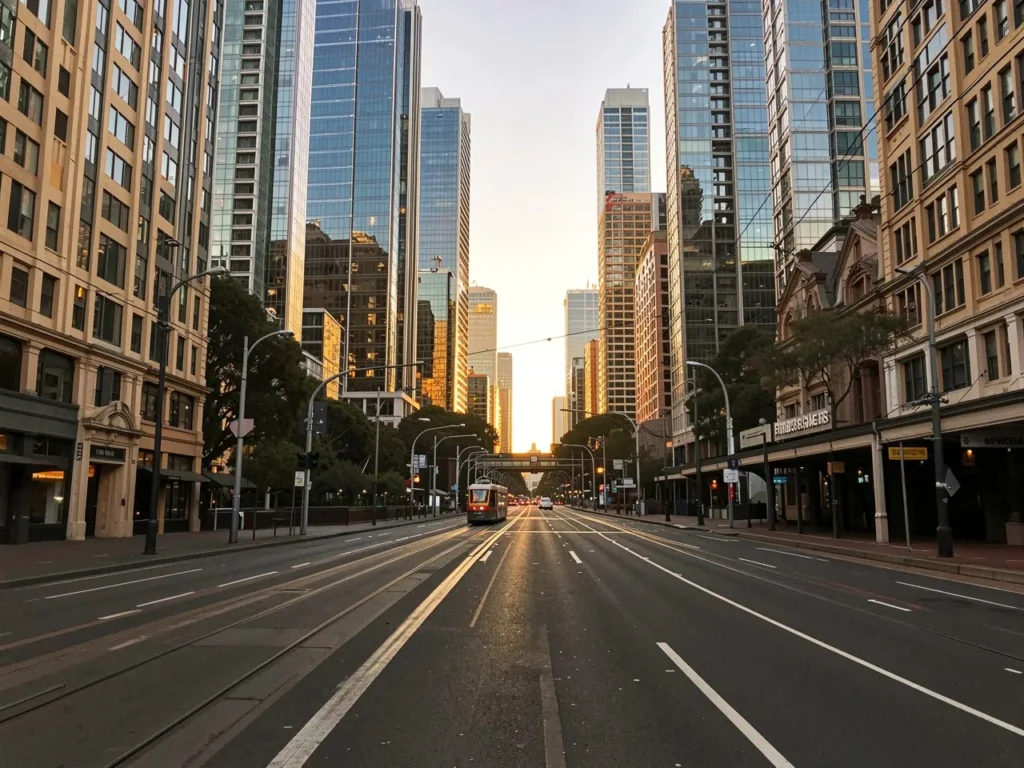
Melbourne dental practices operate in one of Australia's most competitive local search markets. Suburbs like Footscray, Dandenong, and Frankston each carry distinct patient search behaviour, and cookie-cutter paid search campaigns simply don't account for that variation.
First Rank works with local Melbourne businesses across service industries where patient trust, appointment volume, and suburb-level visibility determine whether a practice grows or stalls. We apply the same disciplined, trackable approach to every account: no vague reporting, no set-and-forget campaigns, no mystery around where your budget goes.
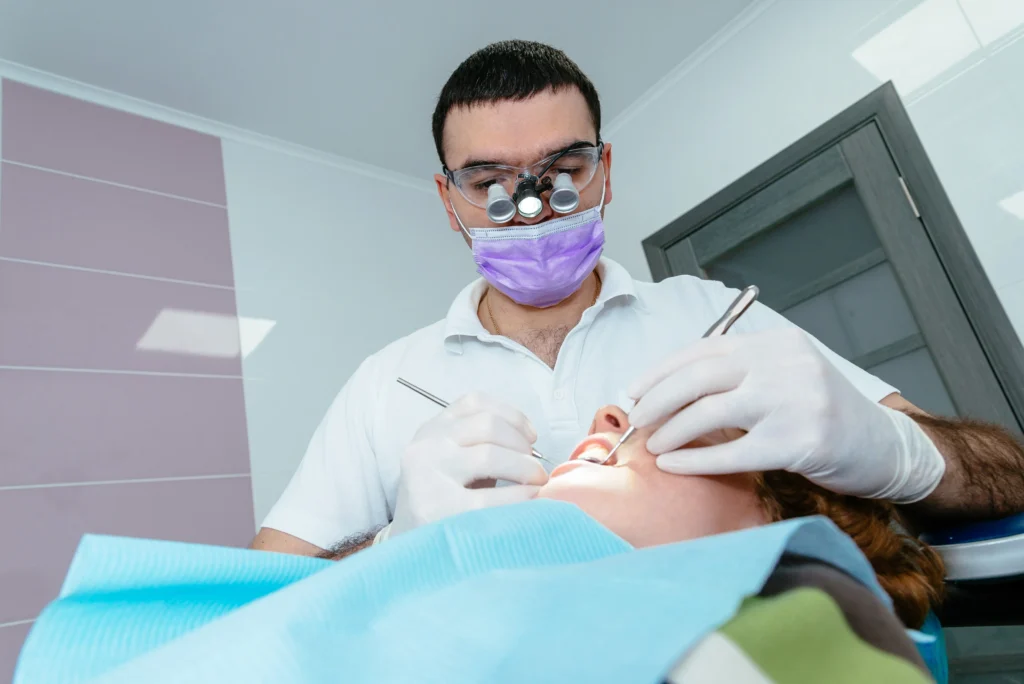
Generic PPC agencies treat dental advertising the same way they treat a hardware store or a logistics firm. That's a core failure mode: dental searches carry treatment-specific intent (patients searching "emergency dentist Dandenong" are not the same as patients searching "teeth whitening Melbourne CBD"), and a single campaign with mixed ad groups burns budget on clicks that will never convert to appointments.
Before a single ad goes live, we map your practice's current paid search position against the Melbourne dental market. This means pulling three months of existing search term reports if you've run Google Ads previously, identifying which treatment categories are generating clicks versus which are generating bookings, and reviewing your Google Business Profile category accuracy against the suburb-specific dental searches that drive appointment intent in your area. We check landing page load speed, mobile booking functionality, and whether your current account structure separates cosmetic, emergency, and general dental intent or bundles them together and bleeds budget. Every finding feeds directly into the campaign architecture we build in step two, so nothing in the audit is decorative. You get a clear picture of where money has been lost and where the recoverable opportunity sits.
With the audit complete, we build a ranked execution plan rather than trying to fix everything at once. For Melbourne dental practices, the highest-priority actions typically involve splitting broad campaigns into treatment-specific ad groups, writing new ad copy matched to each service category's patient intent, and building or rebuilding landing pages with visible booking capability. We also tighten geo-targeting to the suburbs your practice can realistically serve, which immediately reduces wasted spend on clicks from patients who won't travel to your location. Call extensions are added to all ad groups, and call-only ad formats are launched for emergency and same-day appointment searches where mobile patients want to call directly rather than complete a multi-step form. Each action in the roadmap is sequenced by expected impact on cost per booked appointment, not by what's easiest to implement.
Once the restructured campaigns are live and conversion tracking is confirmed, we shift focus to compounding what's working. In the Melbourne dental market, this means analysing which treatment categories and which suburbs are generating the lowest cost per appointment, then reallocating budget toward those segments. We review search term reports weekly in the first 90 days to extend the negative keyword list and eliminate emerging low-intent traffic before it accumulates cost. Ad copy is tested by treatment type: cosmetic dental messaging performs differently from emergency dental messaging in Melbourne, and what works in Frankston may not be the same as what converts in Footscray. Bid strategies are adjusted as campaign data matures, moving from manual bidding to target CPA or target ROAS once the account has enough conversion history to make automated bidding reliable rather than erratic.
Dental PPC in Melbourne requires a layer of industry knowledge that generalist paid search management doesn't carry. Patient search behaviour splits sharply by treatment urgency: someone searching for emergency dental care wants a phone number immediately, while someone researching Invisalign is in a multi-week consideration phase. Campaigns that ignore this distinction spend emergency budgets on consideration-stage clicks and consideration budgets on patients who need to act now. We build campaign architecture that matches bid strategy and ad format to each stage of patient intent, ensuring emergency searches trigger call-only ads and consideration searches lead to detailed treatment pages with clear next steps. This approach also covers Melbourne's specific regulatory context: dental advertising in Australia must comply with AHPRA guidelines, and ad copy is reviewed against those standards before any campaign goes live. Dentist businesses in Melbourne need suburb-specific intent mapping that generic PPC doesn't deliver, and this step is where that mapping gets applied at the campaign level.
First Rank operates as a specialist digital agency, not a generalist shop that handles dental PPC between retail and real estate accounts. When you work with us on dental Google Ads in Melbourne, you’re working with our core Melbourne PPC team →, the same team that manages the broader paid search infrastructure behind this page.
Our Melbourne team provides clear reporting on what's been done, what's next, and how each action connects to bookings and enquiries. You'll always understand the value of your ppc investment.
Problem: A Melbourne dental practice was running Google Ads but the account had not been reviewed in over a year. Ad groups mixed cosmetic and general dentistry terms, landing pages had no booking functionality, and there was no negative keyword list. The practice was paying for clicks from patients outside its service area and from searches with no booking intent.
Action: First Rank audited and rebuilt the account with separate campaigns for cosmetic, emergency, and general dental services, wrote intent-matched ad copy for each service category, built treatment-specific landing pages with direct booking capability, tightened geo-targeting to the practice’s actual suburb catchment, and built a negative keyword list from three months of search term reports.
Outcome: Appointment bookings from paid search increased by an estimated 60% over 4 months. Cost per booked appointment dropped by an estimated 35% as out-of-area clicks and low-intent traffic were eliminated.
Problem: A Melbourne dental practice had no call extensions on its Google Ads and relied entirely on click-to-website conversions; patients searching on mobile for same-day or emergency dental appointments wanted to call immediately and were not completing multi-step web forms, meaning high-intent mobile search traffic was generating fewer bookings than the traffic volume suggested.
Action: First Rank added call extensions to all existing ad groups, launched call-only campaigns targeting emergency and same-day dental search terms for mobile users, set up call conversion tracking to measure call duration and attribution, and wrote mobile-specific ad copy with urgency-led calls to action for the emergency and same-day campaigns.
Outcome: Call extensions added to all ad groups; call-only ads launched for emergency dental and same-day appointment terms; inbound calls from Google Ads increased by an estimated 65% over 3 months with emergency booking calls representing the highest-converting segment.
Dental PPC in Melbourne doesn't have a flat rate; costs depend on your suburb, the treatments you're targeting, and how competitive your catchment area is. Google Ads for dental services in Melbourne can vary considerably based on keyword competition, with cosmetic dentistry terms typically commanding higher cost-per-click than general dentistry or hygiene searches. Most Melbourne dental practices run monthly ad budgets alongside a management fee, and the two figures aren't the same thing. The management fee covers account strategy, copy, negative keyword maintenance, and reporting. What you actually pay per booked appointment depends on how tightly your campaigns are structured. A disorganised account with mixed intent terms and no negative keyword list will burn the budget fast. A well-built account narrows spend to the searches most likely to convert into an actual booking. Get in touch for a tailored Melbourne quote based on your services and suburb.
Dental PPC includes keyword research, campaign build, ad copy, landing page alignment, and ongoing optimisation. But in practice, what it involves for a Melbourne dental practice looks more specific than that. It means splitting campaigns by treatment type so cosmetic, emergency, and general dentistry queries each hit a relevant landing page. It means setting geo-targets to your actual patient catchment suburbs, not a broad Melbourne-wide radius that drags in people who won't travel to you. It involves call extension setup so mobile users searching for a same-day appointment can ring directly without navigating a form. And it means regular negative keyword work to cut spend on searches with no booking intent. Reporting should tie ad spend back to booked appointments, not just clicks or impressions.
Generic PPC treats your practice the same way it would treat a hardware store. Specialised dental PPC is built around how patients actually search and decide. The difference is structural. A generic approach lumps cosmetic, emergency, and check-up terms into a single ad group, runs broad geo-targets, and sends all traffic to your homepage. A specialist approach separates campaign intent, writes ad copy matched to the specific treatment, builds or configures landing pages with direct booking functionality, and tightens geography to suburbs where your patients actually come from. The gap shows up in cost-per-booked-appointment. Generic accounts often have high click volumes and low conversion rates because the intent match is weak. Specialised accounts convert better because every element of the funnel, from search term to landing page to CTA, is aligned to one type of patient at one stage of their decision.
Paid search can generate enquiries within days of launch, but meaningful results take longer to read accurately. In the first two to four weeks, you're collecting data: which keywords convert, which ad copy pulls calls, which landing pages hold attention. Optimisation decisions made in week five are better than any made on day one. For Melbourne dental practices, realistic expectations are clearer data within four to six weeks and measurable improvement in cost-per-booking within three months, assuming the account is actively managed. Practices with no prior paid search history tend to see faster initial gains because the baseline is low. Practices migrating from a neglected account often see quicker wins from fixing structural problems, like removing out-of-area targeting and adding call extensions, before any new spend increases.
Yes. Local search behaviour for dental services is strongly suburb-driven. A patient in Footscray is unlikely to travel to Frankston for a routine check-up, and their search reflects that. Running a single Melbourne-wide campaign with no suburb-level targeting means your budget competes across the full city, you pay for clicks from patients outside your catchment, and your ad copy can't speak to local intent. Suburb-specific targeting lets you write ad copy that references the area, set bid adjustments for high-value suburbs near your practice, and exclude postcodes where conversion is historically low. For Melbourne practices with multiple locations, suburb-level campaign splits are even more important so each location's budget is working in its own catchment, not competing with your other sites.
Your next patient is already searching. The only question is whether your ads are the ones they find. First Rank builds dental PPC campaigns for Melbourne practices that are structured to convert, not just to generate clicks. If you want to know exactly where your current spend is going and what's costing you bookings, start there.
Free to start.