
First Rank delivers app development for real estate businesses in Melbourne, building tools that capture suburb-level buyer intent, automate follow-up, and connect directly to your CRM. We tie every development decision to enquiries and bookings you can measure each month.
Located at 17 Lambretta Street
Hillcrest QLD 4118 Australia
We're here to help you grow
Located at 17 Lambretta Street
Hillcrest QLD 4118 Australia
We're here to help you grow
First Rank works with Melbourne businesses that need app development services built around real outcomes, not feature lists. Our clients range from property management firms in Footscray to agencies covering Frankston and Dandenong, all dealing with the same problem: slow manual processes losing leads to faster competitors.
We don't pad portfolios with vanity metrics. We build development services around the conversion points that matter: enquiries received, follow-ups completed, and deals closed. If you want to know whether your current tools are costing you business, we'll show you exactly where the gap is.
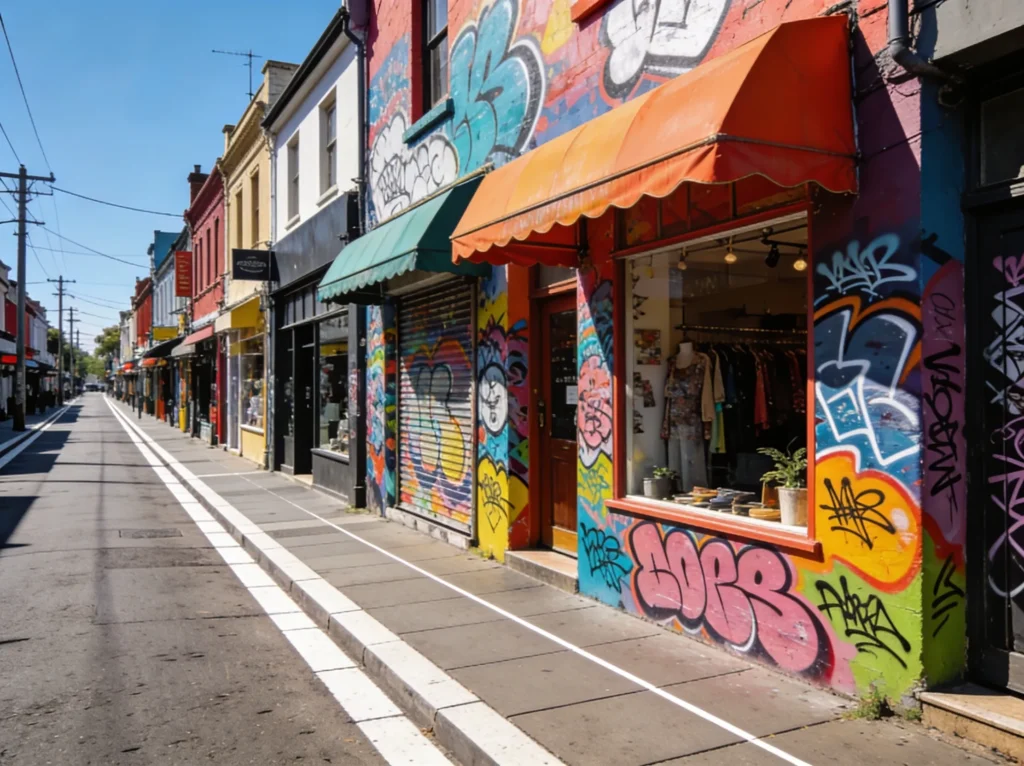

Most Melbourne real estate businesses stall when app development tactics ignore how locals search and shortlist providers. A generic developer builds a product. A specialist builds a product that fits how Melbourne buyers behave at every stage of the property journey. One concrete failure mode: a generic app with no suburb-level filtering pushes Frankston buyers through the same flow as inner-city Melbourne buyers, breaking conversion at the first screen.
Before a single line of code is written, we map where your current process is leaking leads. For Melbourne real estate businesses, that means auditing every touchpoint between a buyer or tenant and your agency: your inspection sign-in process, your CRM data entry workflow, your maintenance request handling, and your current app or web tools if they exist. We establish baseline KPIs that matter to your business, specifically follow-up time after open homes, maintenance request resolution time, landlord satisfaction scores, and lead-to-enquiry conversion rates. Generic development projects skip this step and build features nobody uses. We don't. Every KPI we set at this stage becomes a benchmark we report against after launch, so you can see exactly what the app changed in your operation.
With a clear picture of your baseline, we design and build the app around the workflows your Melbourne team actually uses. That means property managers, agents, landlords, and tenants each get an interface built for their role, not a generic portal that serves no one well. For real estate businesses across Melbourne, this step includes building suburb-specific search and filtering logic, digital open home registration with real-time CRM sync, maintenance request workflows with photo submission and contractor tracking, and automated communication triggers like post-inspection thank-you messages with property details attached. We test every user flow against real property transaction scenarios before a single user touches the product. Integration with your existing CRM is non-negotiable, not an afterthought bolted on at the end.
A real estate app that doesn't report on business outcomes is a liability, not an asset. After launch, we connect app activity to the outcomes your principal cares about: how many open home attendees converted to enquiries, how fast maintenance requests were resolved, how landlord retention changed, and which buyer segments are most active in which Melbourne suburbs. We build a reporting dashboard that your team can read without a technical background. You'll see which features are driving conversions and which need adjustment. And when you're ready to scale, whether that means adding a new property management office in Dandenong or building a tenant-facing feature for a Frankston portfolio, the architecture is already designed to handle it without a full rebuild.
Melbourne's real estate market operates differently from other Australian cities. The volume of open home inspections on a single weekend, the density of competing agencies in suburbs like Footscray, and the pace at which hot buyers transact mean that manual follow-up processes are a structural disadvantage. This step is where we apply everything learned in steps one through three to the specific operational realities of your Melbourne agency. We build features that address the failure modes we uncovered in the audit: suburb-level buyer filtering, real-time inspection data capture, and landlord-facing status updates that reduce after-hours calls to your property managers. Every feature is mapped to a specific KPI from step one, so you know before launch exactly what success looks like.
First Rank is an Australian IT and Digital Agency based at 17 Lambretta Street, Hillcrest QLD 4118 Australia. Our real estate app development work in Melbourne sits within a broader capability set managed by our core Melbourne App Development team →, who handle everything from discovery and scoping through to deployment and ongoing iteration.
Our Melbourne team provides clear reporting on what's been done, what's next, and how each action connects to bookings and enquiries. You'll always understand the value of your app development investment.

Problem: A Melbourne real estate agency was managing open home inspections through a manual sign-in sheet and paper feedback forms. Data from inspections was being manually entered into the CRM the following business day, which meant follow-up calls to interested buyers were often delayed by 24 to 48 hours. Several hot leads had purchased through a competitor before the agency’s agent made contact.
Action: First Rank built an open home management app that replaced paper sign-in with digital registration on a tablet. Buyer details synced to the agency CRM in real time. Agents received a prioritised follow-up list ranked by buyer behaviour during the inspection. Automated thank-you messages with property details were sent to attendees immediately after the open home.
Outcome: Agent follow-up time after open homes dropped from an average of 36 hours to under 2 hours. The agency reported an estimated 35% increase in buyer enquiry conversion in the three months following launch. One principal attributed two sales directly to same-day follow-up that was only possible because of the real-time lead data from the app.
Problem: A Melbourne property management firm was handling maintenance requests through phone calls and emails spread across multiple staff members. Requests were occasionally missed or duplicated, contractors were being engaged without documented job scopes, and landlords had no visibility of maintenance status until the invoice arrived. Two landlords had terminated their management agreements citing poor communication around maintenance.
Action: First Rank built a maintenance management app for tenants, property managers, and landlords. Tenants submitted requests with photos through the app. Property managers triaged, engaged contractors, and tracked job progress from a central dashboard. Landlords received automated status updates and digital approval requests for work above a set dollar threshold.
Outcome: Maintenance request resolution time dropped by an estimated 40% in the first quarter. Missed or duplicated request incidents dropped to zero in the six months following launch. Landlord satisfaction on quarterly surveys improved, and both previously lost clients were re-engaged after seeing the new system demonstrated.
Real estate app development in Melbourne typically starts around $15,000 to $25,000 for a focused single-purpose app, such as an open home check-in tool or a maintenance request system, and can rise significantly for multi-role platforms connecting agents, landlords, tenants, and contractors. The variables that move the number most are the number of user roles, third-party integrations (think CRM syncing, payment gateways, or automated messaging), and whether you need both iOS and Android builds. Most Melbourne real estate businesses we talk to underestimate the integration work rather than the build itself. A realistic discovery conversation will give you a scoped estimate before you commit to anything.
It involves a lot more than writing code. A proper build starts with mapping out every user role in your business, such as tenants, landlords, agents, and contractors, then defining the specific workflows each one needs. For Melbourne real estate specifically, that often means syncing with existing CRM platforms, handling suburb-level property data, and building automated communication triggers tied to inspection schedules or maintenance milestones. Development services include wireframing, backend architecture, API integration, testing across devices, and a structured launch. The app development process also covers post-launch support so that bugs don't quietly cost you leads or landlord relationships after go-live.
Generic app development services treat your brief as a feature list. Specialised real estate app development starts with the business workflow, not the technology. A generic build might give you a form that captures data; a specialist build gives you a prioritised follow-up queue ranked by buyer behaviour, synced to your CRM in real time, with automated messages sent before your agent picks up the phone. The operational difference is whether the app changes your conversion rate or just digitises a process you already had. For Melbourne agencies competing in suburbs like Footscray, Dandenong, and Frankston, that distinction is the entire argument for building something custom rather than off-the-shelf.
A focused, single-workflow app for a Melbourne real estate business typically takes four to six months from scoped brief to launch. That timeline covers discovery, design, development, integration testing, and a staged rollout. More complex platforms connecting multiple user roles, such as tenants, landlords, and contractors with separate dashboards, will sit closer to six to nine months. The factor most teams don't account for is integration time with existing CRM or property management systems; that phase alone can add four to six weeks if the third-party API documentation is incomplete. Starting with a scoped discovery engagement rather than jumping straight to a full build is generally the faster path to a reliable launch date.
Yes, and it's one of the most overlooked decisions in a Melbourne real estate app build. Suburb-level filtering, suburb-tagged inspection data, and location-aware notifications all affect how useful the app feels to buyers and tenants searching within specific Melbourne corridors. An app that treats Dandenong and Footscray as interchangeable postcodes misses the local search and sorting behaviour that drives enquiry. Property management firms operating across multiple Melbourne suburbs also need suburb-level reporting to give landlords meaningful visibility of their asset's performance. Building suburb-awareness into the data model from day one is far less expensive than retrofitting it after launch when your database already has thousands of untagged records.
Your Melbourne real estate business needs an app built around how your agents, landlords, tenants, and buyers actually operate, not a generic template with your logo on it. First Rank builds real estate app development services around workflows that cut follow-up time, reduce missed requests, and give you data you can act on the same day.
[See My Custom Roadmap](#contact)